Bio
10-Dec-2025
My career through the years
From web designer and developer to UX and product designer, working across various industries.
I've been interested in computers for as long as I can remember — starting with an Amstrad CPC 464, followed by an Intel Pentium-powered IBM clone during college. I learned to program and studied computer science at school (GCSEs and A-Levels), while also developing a strong interest in art, design, and visual thinking.
That combination properly clicked during a one-year industrial placement at Telegraph Media Group, as part of my Business Computing Systems degree. Working at Europe's first online newspaper exposed me to the new world of web design and development, and to the craft behind digital publishing: layout, typography, visual hierarchy, and — critically — information architecture. I learned the importance of semantic HTML, information and visual hierarchy and structure, and 'user flows' long before “UX” became a mainstream discipline. With dial-up modems still the norm, website performance and graphic optimisation were key.
After leaving the Telegraph, I spent several years at internet consultancies, most notably Sapient, a US-based e-consultancy. There I worked as a front-end developer on large-scale, real-world products, including an e-commerce storefront for Homebase and the booking engine for Opodo, now a global travel brand. Around this time I had my first exposure to financial systems, working on the Centradia FX trading platform. Although the term UX wasn't widely used yet, I was working closely with UX and Information architects on designing and building complex, data-heavy web applications — experiences that strongly shaped my design approach.
My career in banking and finance formally began at UBS Investment Bank, where I was hired to design and build FXWeb, UBS's FX research and analytics portal. The platform went on to win multiple industry awards. I remained at UBS for seven years, working across trading systems, pre- and post-trade analytics & reporting tools, equities research portals, and later moving into the corporate technology division to help design the Client Portal, establish internal standards, and deliver a range of corporate, marketing, and internal digital projects. I eventually returned to FX, Rates, and Fixed Income, working on UBS's first iPhone FX trading application, FX Trader+ — an early foray into mobile trading.
With over 15 years as a web designer and developer, the next chapter of my career was a full transition into UX and product design.
My background in Business Computing Systems, with a strong focus on systems design, HCI, software engineering, applied AI, requirements and business process re-engineering, made the transition into UX / product design intuitive. It shifted my focus from how interfaces look to how systems work for people, organisations, and complex workflows.
At HSBC Global Banking & Markets, I led design across multiple FX applications and supported external consultancies in delivering Evolve, HSBC's next-generation FX trading platform.
In 2014, I worked with PwC on a digital transformation programme for the UK Financial Conduct Authority (FCA). Shortly after, I joined Pitney Bowes (2014-2015), designing an industrial-scale, AI-driven omni-channel customer communications platform. The system enabled organisations such as Fujitsu UK to generate millions of emails and printed letters on behalf of HMRC and major UK retail banks.
From 2015 to 2017, I joined Thomson Reuters within the Financial & Risk division, designing highly complex, data-rich financial applications for one of the world's most widely used research and analytics platforms. I also acted as a UX quality gatekeeper, reviewing every application before release into the platform ecosystem, and produced several influential framework and design outputs that shaped the global UX practice.
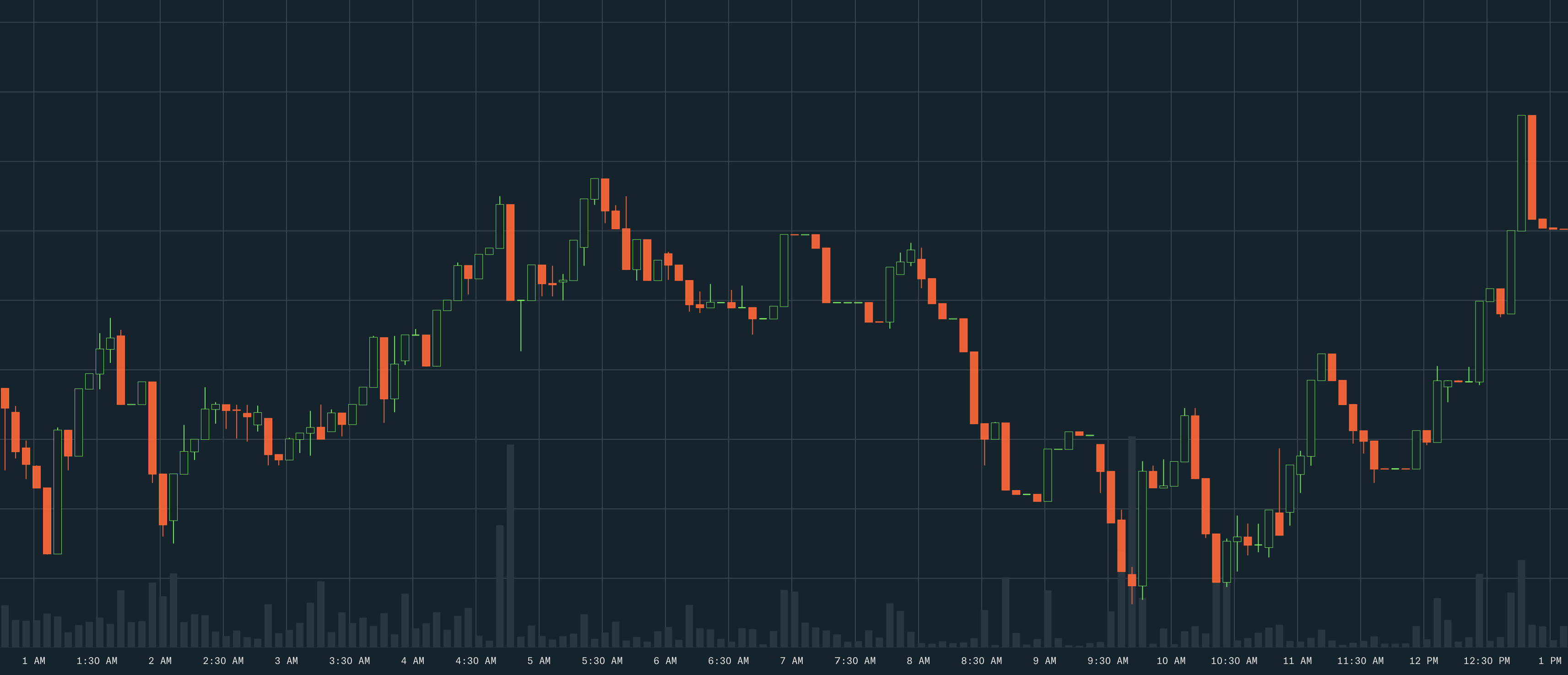
Around this time, I was putting my accumulated financial knowledge to use, learning to day trade.
Between 2017 and 2019, I moved to Lloyds Banking Group, leading UX design for a new digital business-banking service that enabled customers to apply for loans and credit cards end-to-end online — eliminating the need for call-centre interaction, reducing turnaround times, and lowering operational costs. The UX received strong endorsement across users, product, and business stakeholders. During this period, I also designed a loan pricing calculator that received organisational recognition.
I returned to Thomson Reuters in 2019, now under new ownership as Refinitiv, which later became the London Stock Exchange Group (LSEG) Data & Analytics Division. As a Principal Designer, I played a strategic role in the redesign of a next-generation financial desktop platform, intended to replace the legacy Eikon product. My work included multi-monitor and device analysis to define new responsive breakpoints, leading design across multiple financial applications, and participating in — and chairing — UX governance boards. I helped steer product strategy across research, analyst workflows, trading, and financial charting.
Since 2021, I've been at Insight Investment, an asset-management firm with approximately $500bn AUM, part of BNY (Bank of New York). I currently lead UX initiatives across four multidisciplinary domains: Liability-Driven Investments (LDI), Cash & Collateral, Investment Solutions, and Currency.
My work includes:
Alongside my professional work, I recently completed the Human-Computer Interaction (HCI) and AI Systems Design course at the University of Cambridge. This has deepened my focus on designing responsible, human-centred AI systems, with particular attention to automation trade-offs, trust, interpretability and explainability, mixed-initiative interaction, user control, and governance in high-risk, high-stakes environments.
From web designer and developer to UX and product designer, working across various industries.
Putting my learned financial knowledge to use by day and swing trading across equities, FX and commodities.